

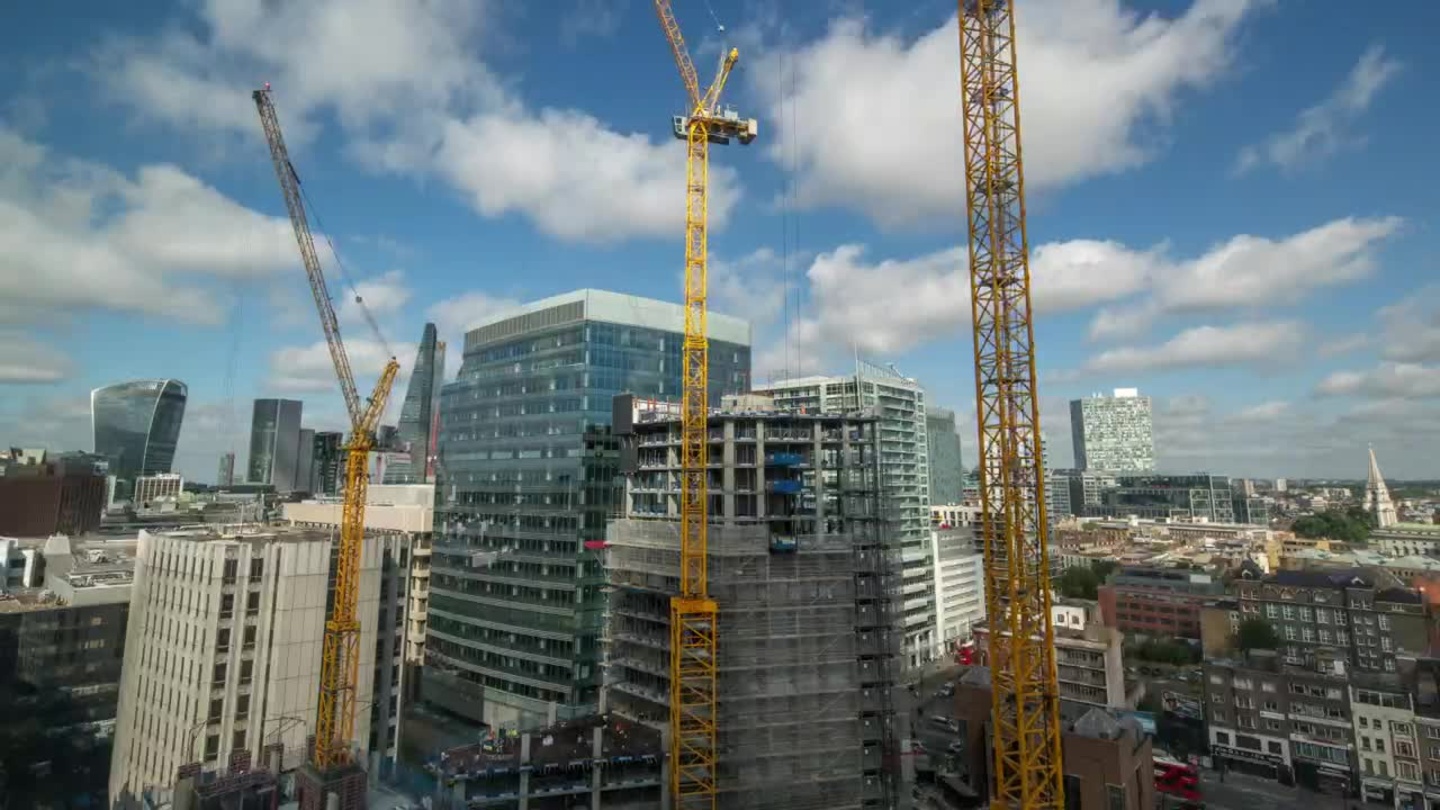
Why Housing Demand May Drive Development This Decade The Housing Shortage Dilemma: Causes and Consequences Housing shortages are an urgent issue on many states’ legislative agendas, as rent and sale prices have continued to rise over the past decade. The Pew Research Center found that severe housing shortages are responsible for surging housing costs in major metropolitan hubs, with restrictive zoning laws blocking the construction of housing in high-demand, job-rich areas. As a result, rent growth reached a 16.2% year-over-year peak in February of 2022, and though growth slowed to 3.6% year-over-year in 2023, asking rents are still rising. The median rent-to-income ratio reached 30% for the first time in 2022, exacerbating the homelessness crisis many cities are already contending with. State legislatures are increasingly pursuing legislation to increase housing production, trying different strategies, from overriding local zoning restrictions for buildings with affordable units to rezoning entire states to allow for more duplexes or other less common multi-family housing. The COVID-19 pandemic has also posed new obstacles to housing production, with a shortage of labor and disruptions to the supply chain making it even more difficult for developers to hit regulatory benchmarks. Rising interest rates and economic uncertainty are also complicating housing production, making lenders more skittish about investing in new properties. Policy decisions in some states are taking these challenges into consideration, shifting regulatory mandates to take some of the strain off developers and encourage ambitious projects to move forward. 04
 Driving The Next Decade of Development, State-By-State Page 3 Page 5