

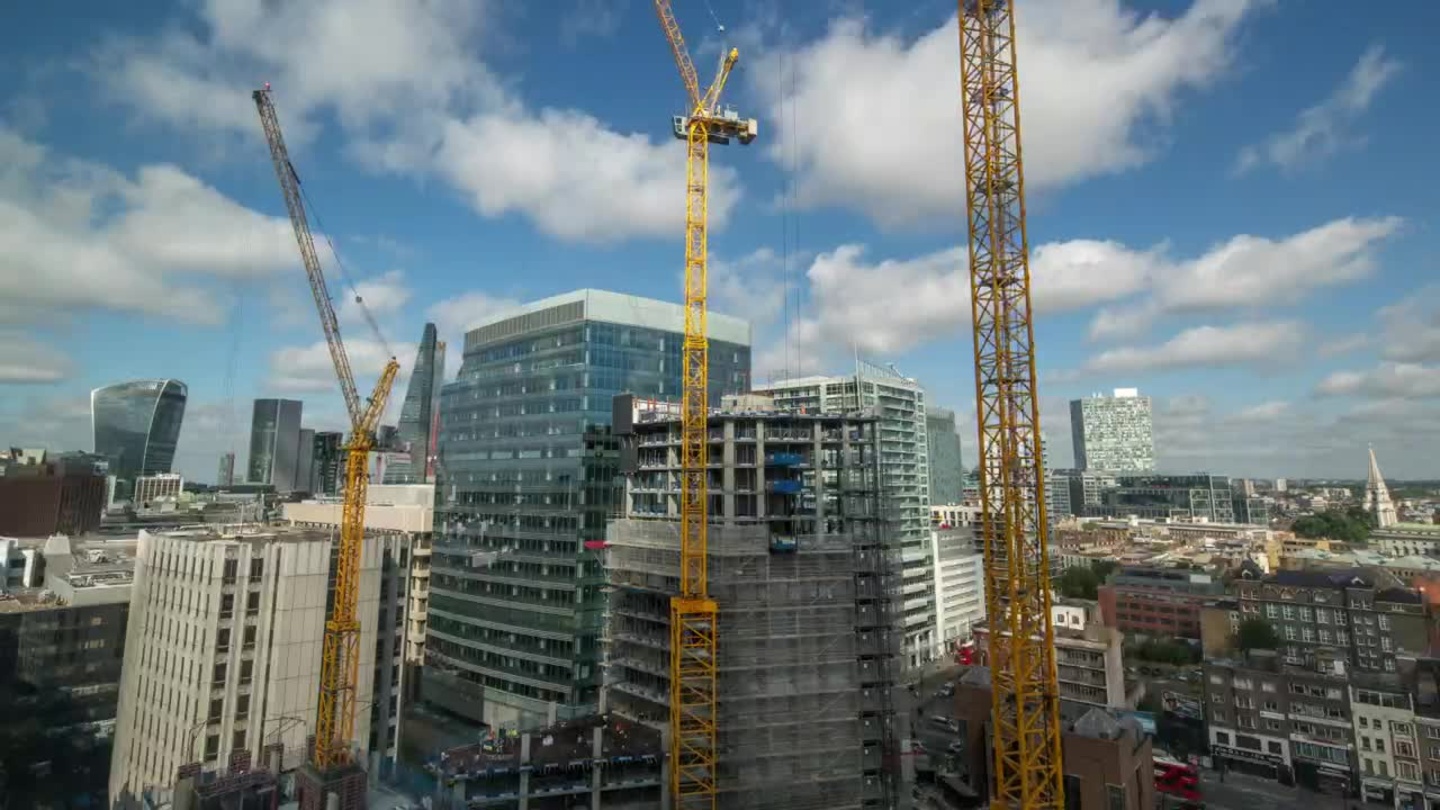
Buildings going up after this legislation passed are already showing bias toward this type of development. For example, Depot II is a mixed-use development in Beverly, Massachusetts, made possible by the state’s new zoning regulations and will provide 106 housing units and 9,0000 feet of residential space. Developers will be preserving the historic Casa de Luca building as part of the project, representing compromises made with local communities as part of the construction process. On the other hand, regulatory mandates can pose certain obstacles, such as adhering to affordable housing mandates and overcoming community NIMBY-ism. When you’re building a project with zoning requirements for affordable housing, budget considerations must be made to accommodate additional units and features those units require. NIMBY-ism is when community members object to new construction and voice those concerns through the local legislature. In many cases, federal or state legislation is designed to circumvent these interventions, but taking the time to communicate a project’s value on the community level may still be a best practice. Modern real estate development software can play a major role for any team trying to budget for a residential project following state and local regulatory changes. Northspyre’s platform allows you to forecast budgets accurately, allowing you to use data gathered from $125 billion in real estate development projects to understand what a project should cost based on location, asset class, and other market factors. Using Deeplook in Northspyre’s Early Budget Planner will allow you to start any project with confidence, empowering you to be one of the intrepid developers pursuing building residential projects that may be the first of their kind in the state. 23
 Driving The Next Decade of Development, State-By-State Page 22 Page 24